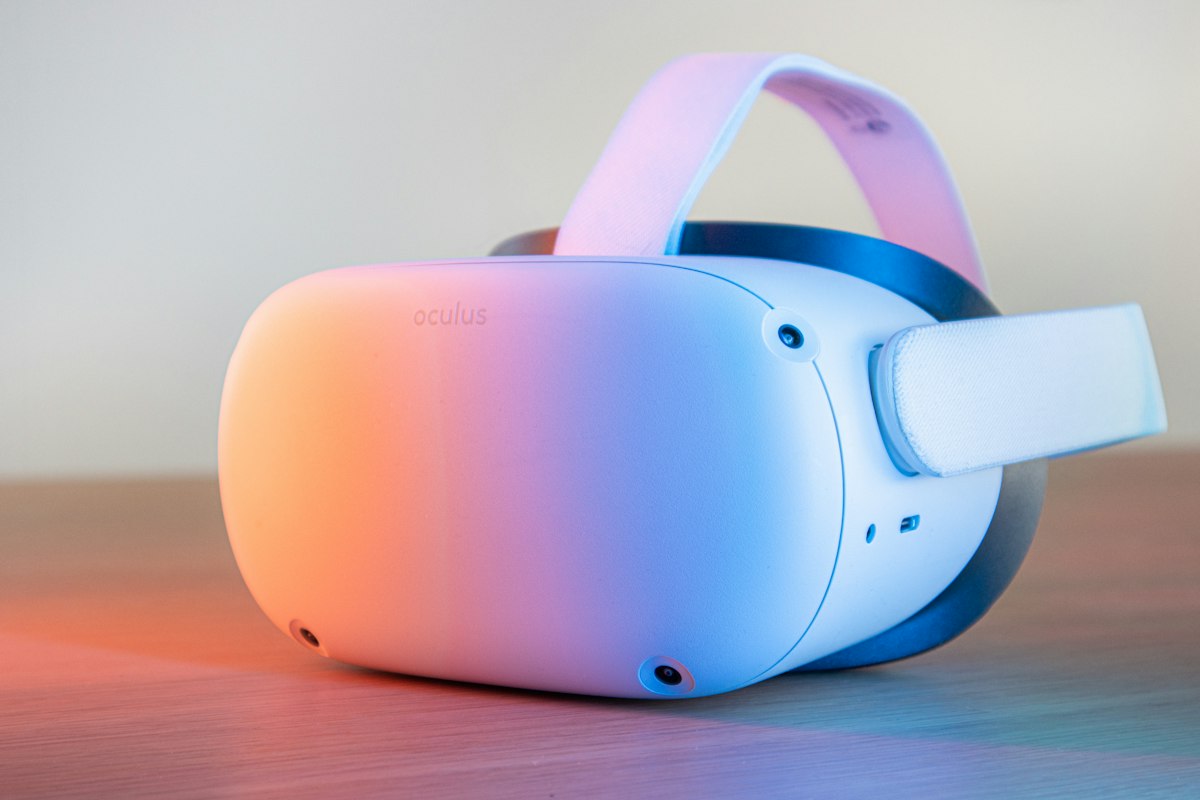
My research on VR spatial reasoning, published in IEEE Transactions on Education, was one of the most technically and methodologically challenging projects I've worked on. The goal was straightforward: can a VR immersive environment improve spatial reasoning perception in students? The journey to answer that question taught me as much about research design as it did about virtual reality.
The Setup
We designed a VR application that presents spatial reasoning tasks — mental rotation, perspective-taking, and spatial visualization — in an immersive 3D environment. Students could manipulate objects with their hands, walk around structures, and experience spatial relationships from angles impossible in a 2D textbook.
The experimental design compared VR-based learning against traditional instruction using pre/post spatial reasoning assessments.
What Worked
The immersion factor was significant. Students who struggled with 2D spatial tasks often had "aha moments" when they could physically walk around a 3D object. One participant described it as "finally understanding what my professor was drawing on the whiteboard."
The data showed measurable improvement in spatial reasoning scores for the VR group, particularly for tasks involving perspective-taking.
What Surprised Me
Two unexpected findings stood out:
- Motion sickness was a real barrier — Even with a well-optimized application, about 15% of participants reported moderate discomfort. We had to adjust session duration and movement mechanics mid-study.
- Novelty effect — First-time VR users spent significant time simply exploring the environment rather than focusing on the learning task. In future studies, I'd include a dedicated VR familiarization period before the actual experiment.
Design Lessons for VR Researchers
If you're building VR applications for research, here's what I'd emphasize:
- Pilot relentlessly — Test with at least 5 participants before your main study. Technical issues that seem minor on your development machine can torpedo an entire session for a novice user.
- Record everything — We captured head tracking data, hand trajectories, and screen recordings. This multi-modal data proved invaluable during analysis.
- Design for the first 30 seconds — Users form their impression of VR comfort in the first half-minute. Make those seconds smooth, predictable, and welcoming.
VR research is equal parts software engineering, experimental design, and empathy. You can't separate the experience from the measurement.
What's Next
I'm now exploring how multi-user VR environments affect collaborative spatial reasoning. The early results from our FU Berlin collaboration suggest that social presence amplifies learning — but also introduces new variables like turn-taking dynamics and communication overhead. More on that in a future post.